Dr. Jizhang Yi (He/Him)
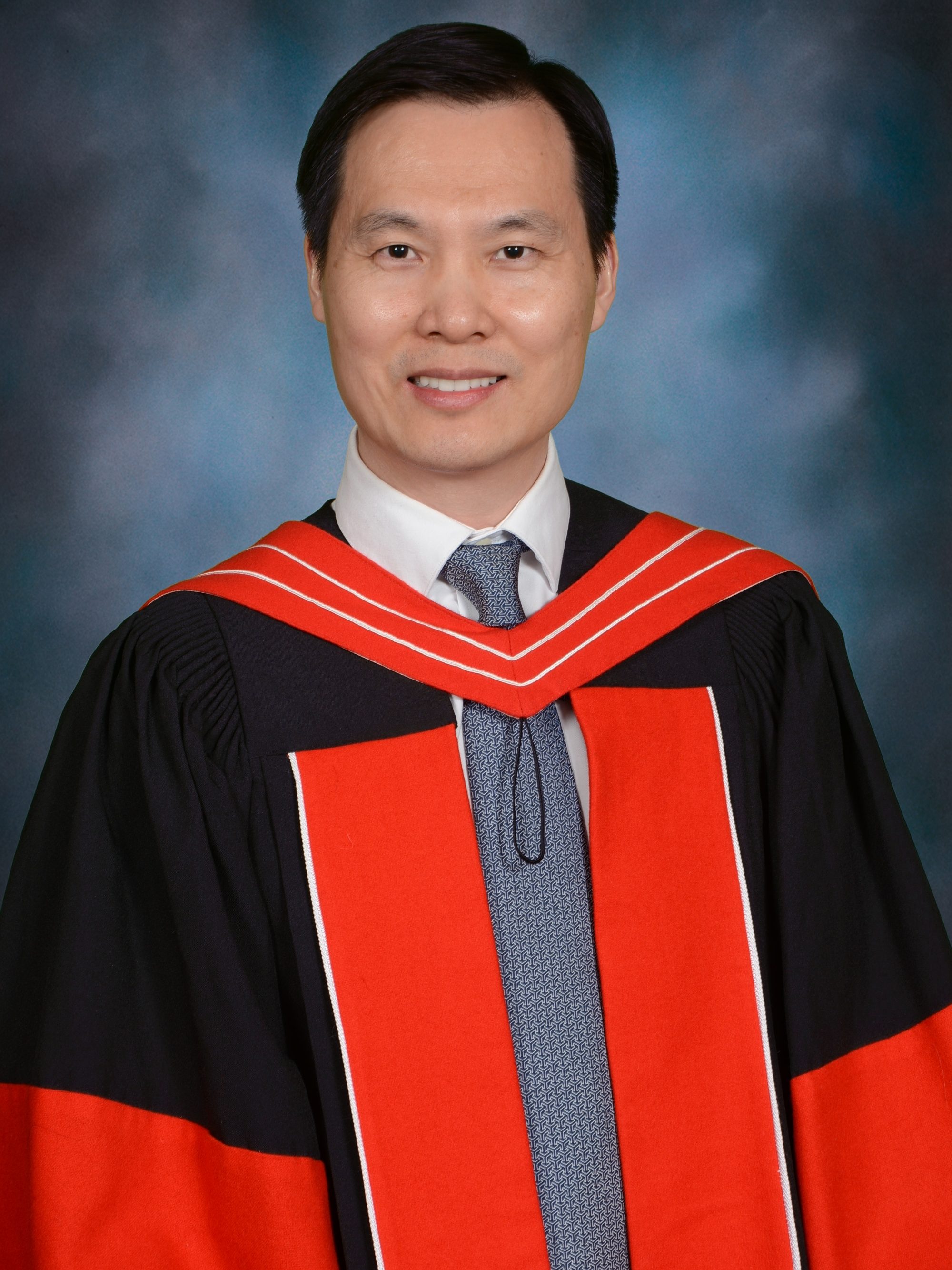
Dr. Jizhang Yi (Postdoc, Harvard; PhD, U of T) is Assistant Professor and Director of the Institute for Humanistic Buddhist Thought & Practice at Trinity College, University of Toronto. His research lies at the intersection of Religious Studies, Comparative Theology, and Comparative Philosophy, with particular interests in Chan/Zen Buddhism, Humanistic Buddhism, and Kierkegaard’s existential philosophy. His scholarship articulates Existential Hermeneutics as a philosophical account of transformative self-understanding, exploring questions of truth, selfhood, meaning, and ethical-religious transformation across Buddhist and Christian traditions. His recent work also explores the implications of Existential Hermeneutics for artificial intelligence. His work has appeared or is forthcoming in the Journal of the American Academy of Religion, Buddhist-Christian Studies, and books published by Bloomsbury Academic, Springer Nature, and McGill-Queen’s University Press.
Yi’s Story
Jizhang Yi’s remarkable journey began in a small village in Southern China, where he candidly admits he was not a standout student. Yet, his artistic talent set him on an unexpected path, earning him a Bachelor’s degree in Fine Arts and a teaching role at an art school. After a year of teaching, Yi sought a new challenge, diving into sales—an arena as varied as cars, golf equipment, and business consulting. His knack for adaptability soon paid off, with a promotion to manager at a business consultancy within months. A year later, he shifted gears into corporate training and management consulting, which opened a prestigious door: an invitation to lecture on business management at Peking University. One of his lectures—a six-hour session—was published by Peking University Press. He also authored two books on business leadership and management, solidifying his reputation in the field. Building on this momentum, Yi founded his own consulting firm in Shanghai.
In 2012, Yi and his family moved to Canada, where he continued his consulting work while traveling frequently to China. By 2015, ready to settle with his family in Vancouver, Yi turned to a long-held aspiration: earning a PhD in philosophy. The journey was not easy—his limited English proficiency meant starting with basic language classes at an adult school.
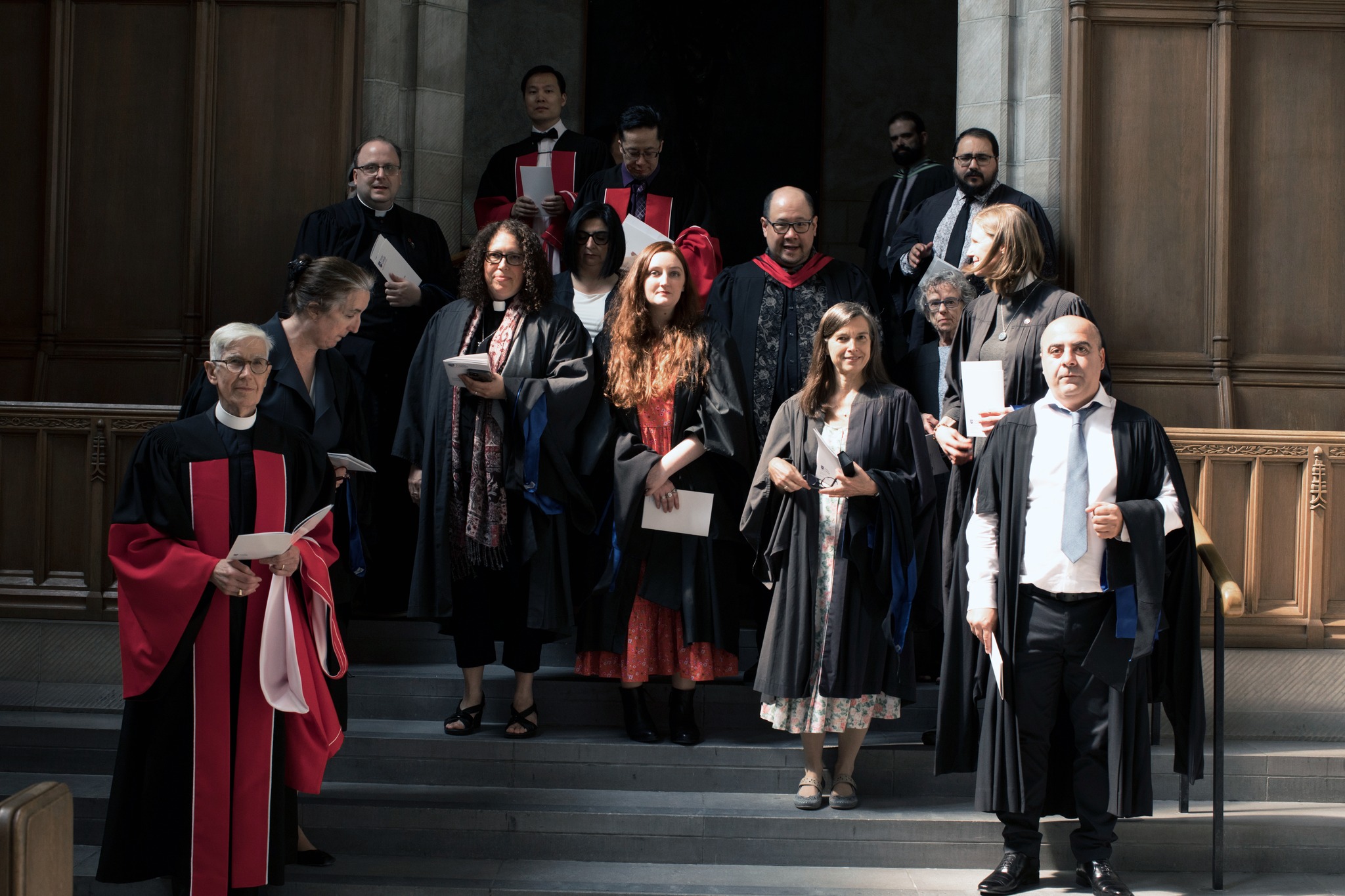
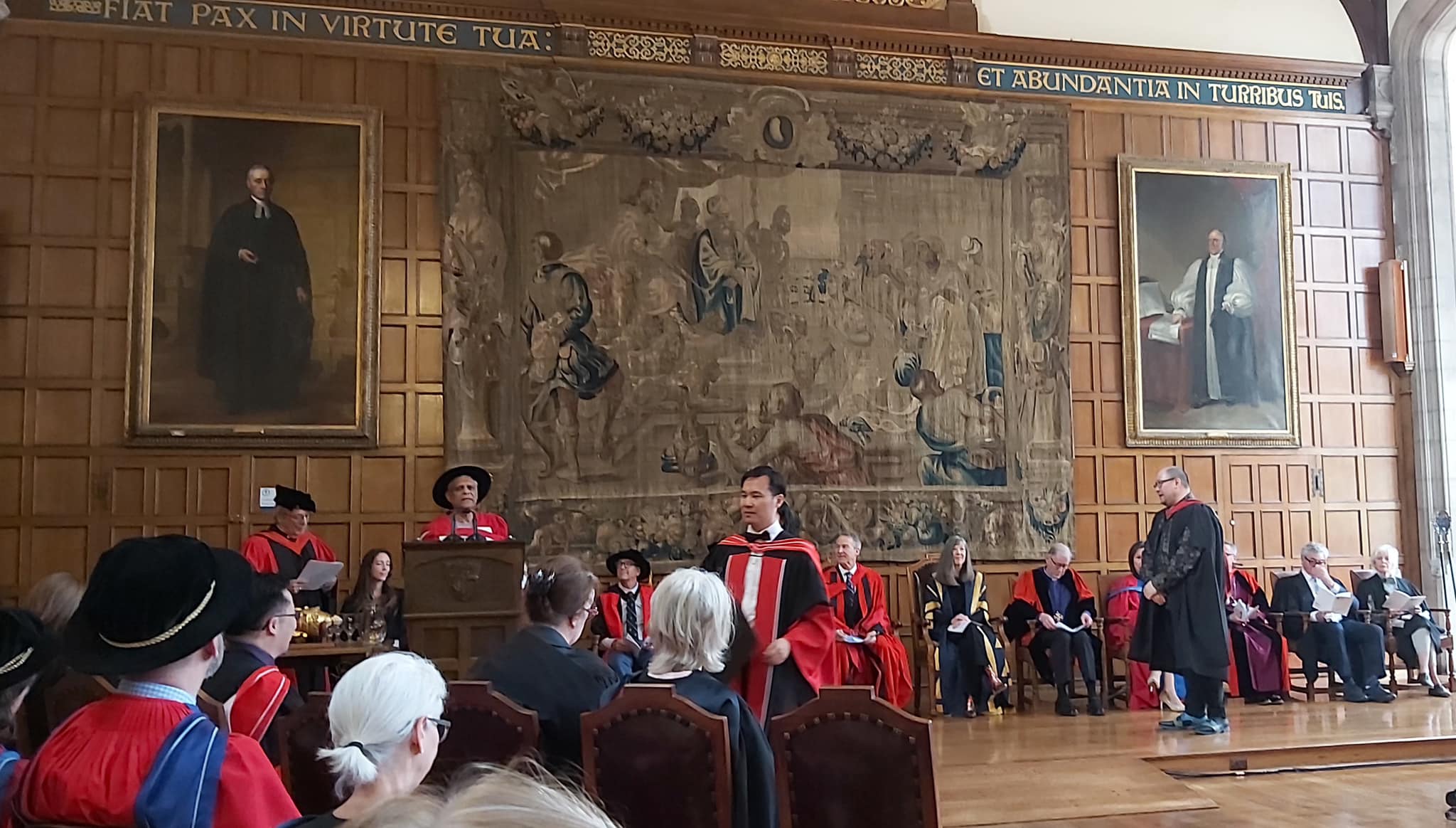
By 2016, Yi discovered that theology could serve as a gateway to deeply understanding Western philosophy. This realization led him to pursue a Master of Divinity at a theological college at UBC in 2017. His early academic struggles, including scoring just 5.8 out of 10 on his first assignment, nearly derailed him. But Yi’s determination drove him to develop new study strategies and work even harder. As a result, he completed the three-year program in just two years, graduating with the highest academic honors. Encouraged by this success, he embarked on a PhD in Philosophical Theology at the University of Toronto, which he completed in three years, earning several prestigious awards along the way.
Yi regards theology as the “first philosophy” and the “queen of the sciences”—a foundation for understanding the world that connects all areas of knowledge. He is deeply committed to bridging rigorous philosophical reasoning with the lived realities of daily life, believing that thought and practice are inseparable—two aspects of the same non-dual path. For him, theology as first philosophy is not merely a system of thought, but a way of being—an ongoing journey of personal growth and compassionate engagement with others.
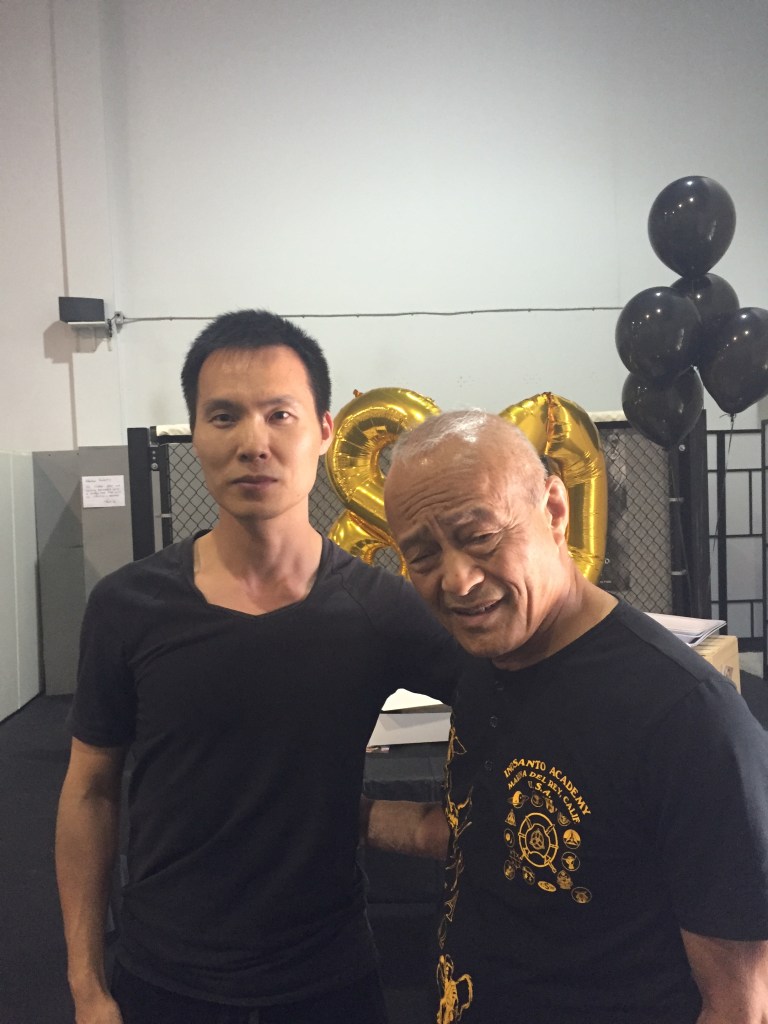
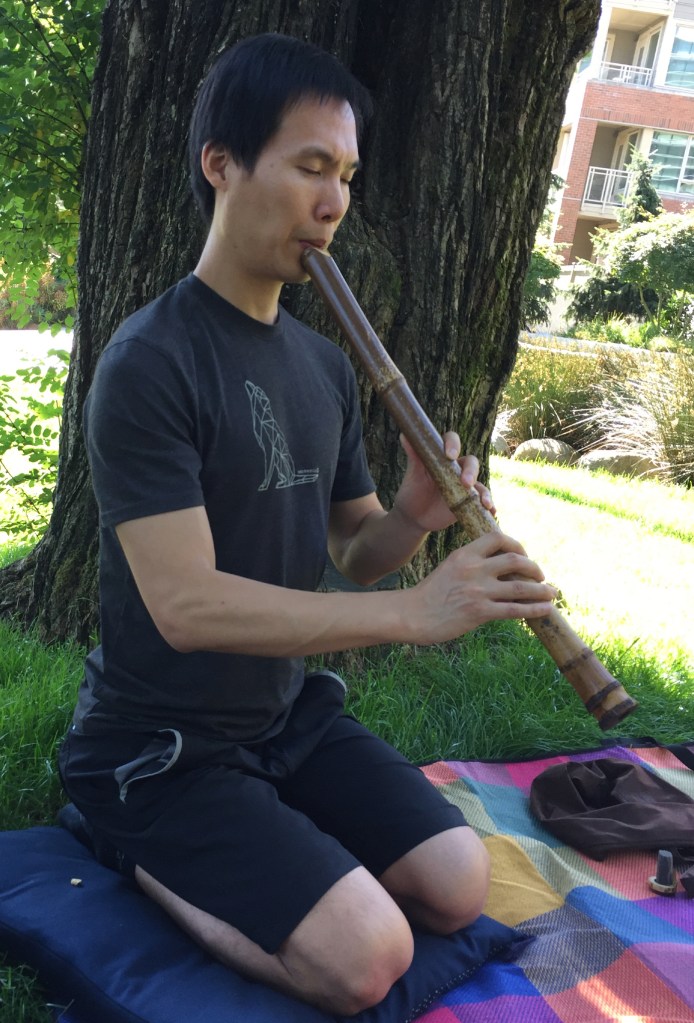
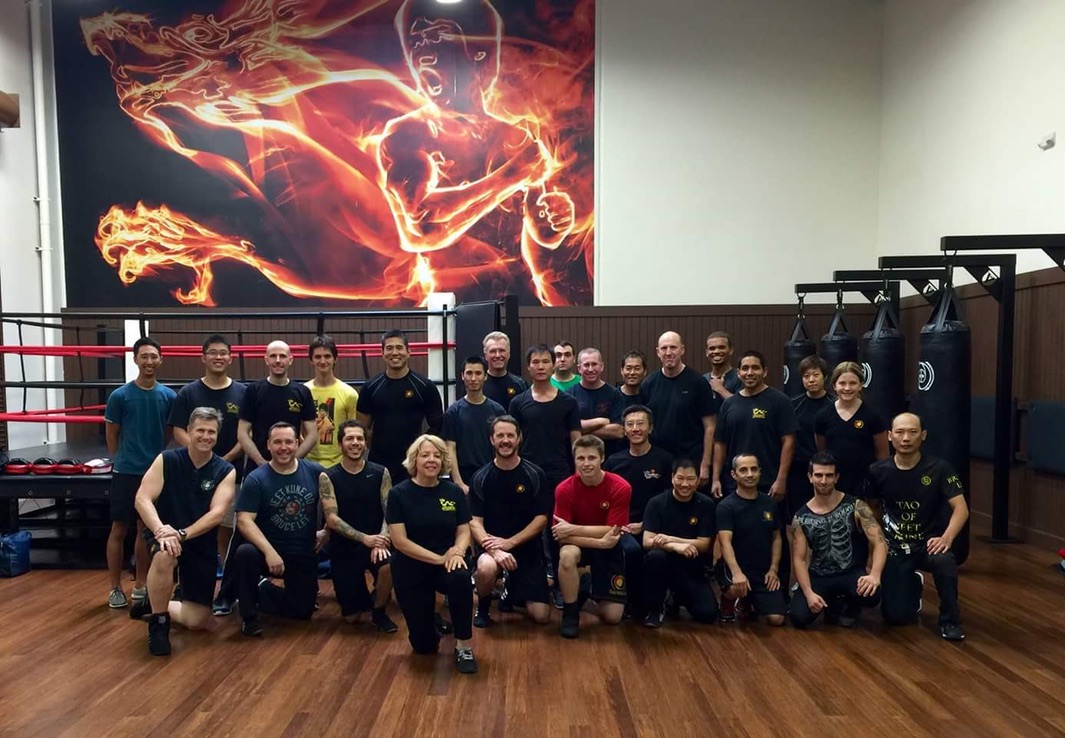
Beyond academia, Yi is a man of diverse passions. He finds joy in playing the guqin (a traditional Chinese zither), composing poetry, and practicing martial arts. A lifelong member of China’s Guqin Academy, he is also a certified instructor of Jeet Kune Do (JKD), the martial art founded by Bruce Lee, and a poet with several published works. These pursuits reflect his commitment to a life of creativity, discipline, and intellectual exploration.